B2B podcast audience growth does not work like consumer podcast growth. Chasing download numbers misses the point entirely.
A B2B podcast with 800 listeners who are all CFOs at mid-market companies is more valuable than one with 80,000 listeners who are mostly casual business content consumers. The metric that matters is not total audience size. It is how many of your listeners match your ICP and how engaged they are with your content.
That reframe changes the entire approach to podcast audience growth and engagement. Instead of optimizing for viral moments and directory rankings, you optimize for sustained, compounding reach into the exact audience segments your sales team is trying to reach.
This guide covers the four growth pillars that work for B2B podcasts, the engagement benchmarks worth tracking, and how podcast marketing services fit into a serious growth strategy.
Consumer podcasts grow through word-of-mouth, platform algorithms, and broad appeal. B2B shows grow through trust, specificity, and distribution into professional channels.
The good news: a smaller, more targeted B2B audience compounds faster in business terms. When your 500 loyal listeners include decision-makers at 150 target accounts, your pipeline math works even without mass scale. When your 50,000-listener show is full of passive listeners with no purchase intent, you have a media hobby, not a demand-gen channel.
The question is not "how do we get more downloads?" It is "how do we get more of the right listeners, and how do we keep them engaged long enough to convert?"

Your guests are your first distribution channel. When you book a VP of Sales at a company your ICP works at, that guest shares the episode with their LinkedIn network, their team, and often their customers. Every well-chosen guest is a warm introduction to a pocket of your target audience.
The B2B growth playbook: reverse-engineer your ICP to build a guest list. If your ideal customer is a Head of Marketing at a 50-200 person SaaS company, your ideal guest is a respected voice in that community. Each episode appearance functions like a warm referral from a peer.
Guest strategy also compounds. Guests who trust the show refer other guests. A well-run podcast with 30 episodes of credible industry voices attracts better guests than a 3-episode show. The flywheel is real, but it takes intentional booking to start it.
Engagement angle: guests who promote their episode extend your reach. Make it easy for them with pre-made LinkedIn posts, audiogram clips, and a short email they can forward to their team.
LinkedIn is where B2B buyers spend professional attention. It is the correct distribution channel for a B2B podcast, not Apple Podcasts directories or Twitter thread reposts.
The mechanics: each episode generates 2-3 LinkedIn posts (one from the show account, one from the host, ideally one from the guest). The format that performs is short-form text posts with a key insight from the episode, a hook in the first line, and a link to the full episode or transcript in the comments. Long-form LinkedIn articles work for recap posts. Short video clips work for audiogram-style content.
LinkedIn organic reach for B2B content has remained high relative to other platforms because the platform incentivizes professional engagement. A well-framed insight post from a 1,200-listener B2B show can reach 5-10x the audience of the show itself.
Engagement angle: LinkedIn posts that ask a question or share a counterintuitive stat from the episode tend to generate comments, which extend the algorithmic reach. Engage with every comment in the first hour.
Each episode you publish with a full transcript and dedicated show notes page becomes a permanent SEO asset. A 50-episode archive, consistently transcribed and published, creates 50 indexed pages targeting your ICP's most searched questions.
The compounding effect: early episodes build authority for later ones. A show with 30 published, well-optimized episode pages has meaningfully more domain authority for podcast-related terms than a show with 3 pages.
AI search amplifies this further. Tools like Perplexity, ChatGPT, and Google AI Overviews pull from crawlable text. A transcript-backed episode page is a candidate for AI search citations. An audio-only episode is invisible.
Engagement angle: transcripts also make episodes more accessible. Readers who find you via search often read rather than listen first. Give them the full transcript so they can evaluate the content before subscribing.
One 40-minute episode generates enough source material for 15+ content pieces across channels. Show notes, blog posts, short-form social clips, email newsletters, sales enablement talking points, and LinkedIn carousels all come from the same recording.
This matters for audience growth because each piece of repurposed content is an independent discovery point. A LinkedIn quote post gets seen by someone who has never heard your podcast. A blog post ranks for a keyword your episode targeted. An email newsletter pushes the episode to subscribers who might not have listened yet.
Repurposing is the mechanism that makes your podcast visible across channels without recording additional content. It is also what allows a 50-listener show to have outsized brand presence because the episode content reaches far beyond the subscriber list.
Engagement angle: repurposed content drives people back to full episodes. Always include a clear "listen to the full episode" link in every derivative content piece.
Engagement metrics vary by show format and audience, but here are reasonable benchmarks for a focused B2B podcast:
Completion rate: 50-70% completion on episodes under 30 minutes; 35-55% on episodes 45-60 minutes. Consumer podcasts average closer to 40% for all lengths. B2B shows with strong niche focus tend to run higher because listeners have high specific intent.
Per-episode downloads (B2B niche): 100-500 downloads per episode in the first 30 days is solid for a show under 18 months old targeting a narrow B2B segment. The comparable consumer podcast benchmark is 5-10x higher, but the commercial value per listener is far lower.
LinkedIn engagement: 1-3% engagement rate on LinkedIn posts sharing episode content is healthy. Above 3% consistently suggests the topic selection is resonating with your audience segment.
Email click rate: For shows with an associated newsletter, 15-25% click rates on episode notification emails indicate an engaged list. Below 10% signals either the topic selection or the send timing needs adjustment.
Podcast marketing services cover the distribution and growth layer of a podcast program: the LinkedIn content creation, the SEO setup, the guest outreach, and the repurposing workflow. They are distinct from production services (recording, editing, show notes) but often bundled with them.
The case for using podcast marketing services rather than DIYing growth: consistency. Audience growth through the four pillars above requires weekly execution across LinkedIn, SEO, email, and guest coordination. For B2B teams where the podcast host is also a founder or a senior leader, that consistency is hard to maintain alongside their primary work.
Done-for-you podcast marketing services handle:
For a full comparison of podcast marketing service tiers and what each includes, see our guide to B2B podcast marketing and promotion strategy.
The B2B podcasts that grow consistently are not the ones that get lucky with a viral episode. They are the ones that execute the four pillars every week: book the right guests, distribute on LinkedIn, publish transcripts for SEO, and repurpose content across channels.
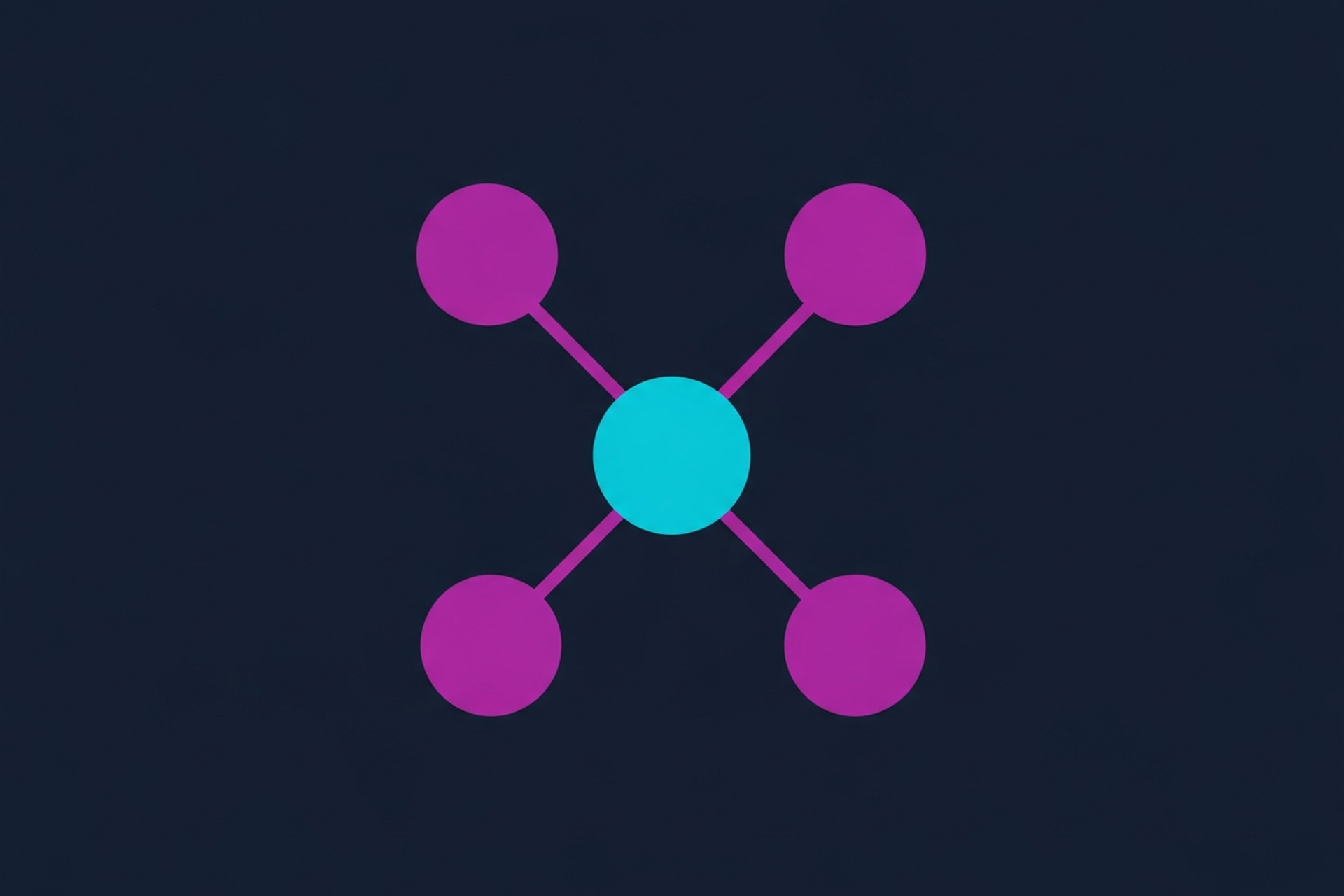
Each pillar reinforces the others. Good guests extend reach. Extended reach drives SEO impressions. Repurposed content brings new listeners. New listeners attract better guests.
The system compounds. But only if all four elements are running consistently, not just when someone has bandwidth.
For the full breakdown of B2B podcast audience growth strategies including engagement metrics and distribution frameworks, see our companion guide on B2B podcast audience growth tactics.
We build the full growth system into every client engagement: guest strategy aligned with your ICP, LinkedIn content from every episode, transcript-based blog posts for SEO, and monthly reporting on the metrics that matter.
Your job is to show up and have great conversations. We handle the growth infrastructure. Schedule a Call to see how the system works, or grab a Free Podcasting Plan and we will map out the growth strategy for your show.